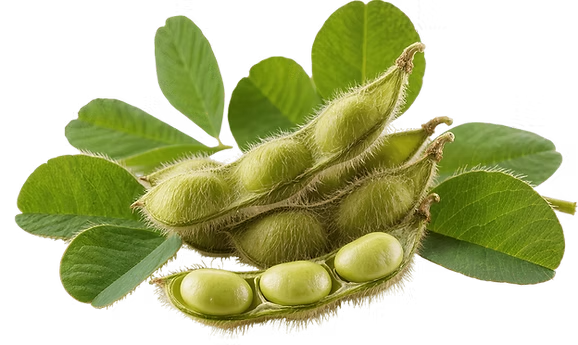
Lots of opinions. Not a lot of facts.
There’s a lot of noise about what you should or shouldn’t eat. If you can’t tell what is true, listen to the farmers who have been feeding Ohio for centuries.

Trust the farmers, not the fads.
GROWN IN OHIO
Our foods are the foundation of a healthy diet and Ohio's economy.
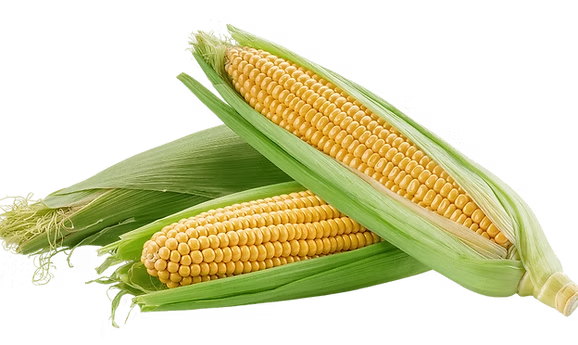
Corn
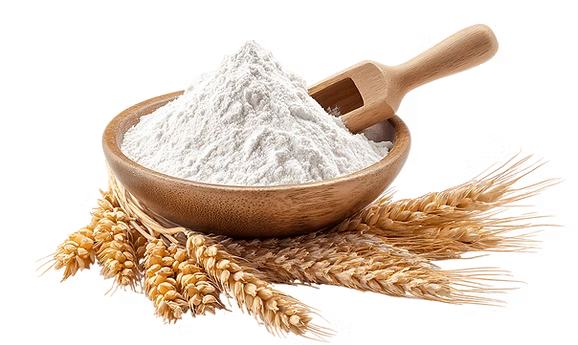
Wheat
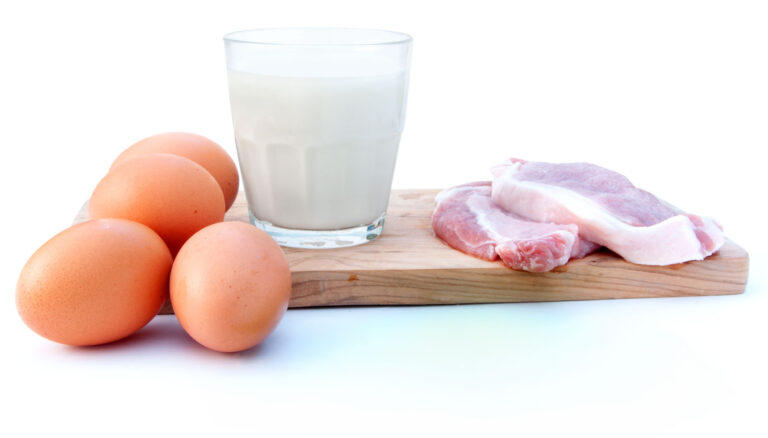
Meat & Dairy
Facts, not fads.
Between social media and passing headlines, everyday foods like soy, wheat and corn have picked up reputations they don't deserve. We rounded up the questions people ask most and answered them with what the research really shows.
Are seed oils inflammatory?
Current research doesn’t show that they cause inflammation. Controlled studies have found that linoleic acid, the main omega-6 fat in seed oils, doesn’t raise markers of inflammation in the body. Higher omega-6 intake has also been linked to lower rates of heart disease and type 2 diabetes. Part of the concern comes from where seed oils often show up: in ultra-processed snacks and fried foods. Those foods are worth limiting for many reasons, but the oil itself isn’t what makes them less healthy. (Source)
Are foods made with corn and soy healthy?
Corn and soy can be good parts of a healthy diet, and what really counts is the foods they go into. Focusing on the overall quality helps ensure you’re making nourishing choices. Health concerns mostly focus on ultra-processed foods, which tend to be high in added sugar, refined starch, sodium and saturated fat. When a food falls into that category, it’s usually because of the recipe, not because it contains corn or soy. Holding corn or soy responsible for an ultra-processed snack is a bit like holding wheat responsible for a doughnut. The most useful approach is to look at the finished food as a whole, not any single ingredient. (Source)
Does soy affect men's hormones?
A review of dozens of clinical studies found that neither soy foods nor isoflavones (natural plant compounds found in soy) changed testosterone or estrogen levels in men. In other words, men can enjoy soy foods as part of a healthy diet without worrying about their hormone levels. (Source)
Are there antibiotics in the meat I buy?
Meat sold in U.S. stores is required to be free of antibiotic residues above federal safety limits. Antibiotics are used to treat sick animals, much as they’re used for people, and there are safeguards in place to keep them out of the food supply. Federal rules require a withdrawal period after treatment, so the medicine has time to clear the animal’s system before it can be processed for food. The USDA also tests meat to confirm that any residues fall within safe limits, and products that exceed those limits can’t be sold. These standards have grown stronger over time. Since 2017, medically important antibiotics can no longer be used to promote growth, and since 2023, all of them require a veterinarian’s oversight. Ongoing oversight like this also helps address antibiotic resistance, which is a shared priority for farmers, veterinarians and public health experts alike. (Source)
Are processed soy foods healthy?
Many popular soy foods can be part of a healthy diet. Everyday options like tofu, tempeh, edamame, miso and soy milk are made with relatively simple processing and are rich in protein and other nutrients. Some processing even adds benefits. Fermentation, for example, can make soy easier to digest. (Source)
Is soy safe when it comes to breast cancer?
Yes. Leading cancer organizations say soy foods are safe to eat. The American Cancer Society and the American Institute for Cancer Research both consider soy foods safe, including for breast cancer survivors. Early concerns came largely from studies in mice and rats, which process soy differently than people do. Research in humans has not shown the same effects. (Source)
Is soy bad for your thyroid?
Research shows that eating soy foods in typical amounts doesn’t affect thyroid function in healthy people who get enough iodine, as most Americans do. If you take thyroid medication, doctors may recommend taking it a few hours apart from soy foods, since soy can affect how well the medication is absorbed. That’s a matter of timing, not a reason to avoid soy. (Source)
Is soy safe when it comes to prostate cancer?
Research has not found that soy increases prostate cancer risk, so yes, it is safe in relation to prostate cancer. A 2024 review of studies involving more than 1.4 million people found that men who ate soy foods had a slightly lower risk of prostate cancer than men who ate little or none. The association was strongest among men who ate soy at least once a day. (Source)
Are GMO foods safe to eat?
Yes. Foods made from genetically modified organisms (GMOs) have been available since the 1990s and are reviewed by federal agencies before they reach the market. GMOs can also help farmers grow food more efficiently. Crops developed to resist insect pests let farmers use less insecticide. In fact, insecticide use on U.S. corn and cotton dropped by more than 80% between 1996 and 2017. Other GMO crops make it easier for farmers to practice no-till farming, which helps protect soil, retain water and lower farming’s carbon footprint. For these reasons, researchers see GMOs as a useful tool for addressing the effects of a changing climate. (Source)
Has the gluten in wheat changed over time?
Not significantly. Researchers in Germany grew 60 wheat varieties from 1891 to 2010 side by side under the same conditions. They found that gluten content has stayed about the same for more than a century. Modern varieties actually contain slightly less protein overall than older ones. The researchers also found no evidence that modern wheat is more likely to trigger an immune reaction. (Source)